
What Is a Ferritin Test?
The Ferritin Test is a simple blood test. It measures the amount of ferritin in your blood. Ferritin is a protein that stores iron in your body. Because of this, the test helps doctors check your iron levels. Many people ask, “What does a ferritin test show?” In short, it shows if you have too much or too little iron.
Why Is a Ferritin Test Ordered?
Doctors order a ferritin blood test for several reasons. Often, they want to check for iron deficiency or iron overload. For example, you may need this test if you feel tired, weak, or have pale skin. Sometimes, it helps find the cause of unexplained health problems. In addition, it can help monitor certain conditions, such as:
According to the CDC, checking ferritin can help find iron problems early.
How Is the Ferritin Test Performed?
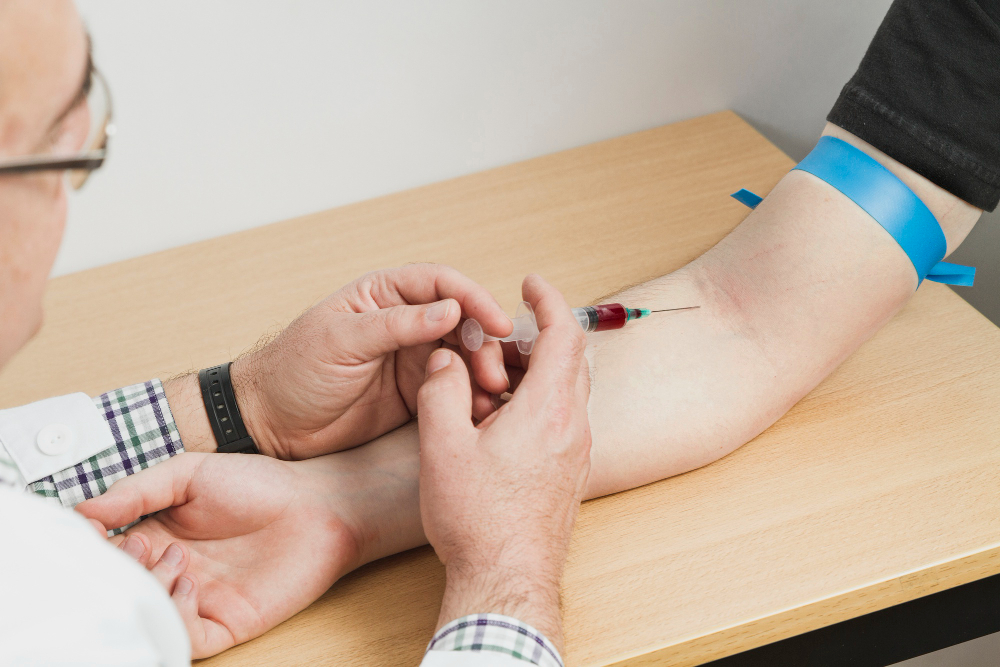
The ferritin test procedure is quick and easy. First, a healthcare worker cleans your skin. Next, they use a small needle to take a blood sample from your arm. The process usually takes less than five minutes. After that, your blood goes to a lab for testing. Most people feel only a small pinch during the test. Because the test is simple, you can return to your normal activities right away.
How to Prepare for the Test
Most people do not need special steps before a ferritin blood test. However, your doctor may ask you to fast for a few hours. This means you should not eat or drink anything except water. Always follow your doctor’s instructions. If you take medicines or supplements, tell your doctor before the test. Some drugs can affect your results.
What Are Normal Ferritin Ranges?
Normal ferritin ranges can vary by age, sex, and lab. Still, most labs use these general ranges:
Always check your lab report for the exact ferritin test normal range. Your doctor will explain what your numbers mean.
What Do High or Low Ferritin Levels Indicate?
Ferritin test results can be high or low. Each result means something different. For example:
Because many things affect ferritin, your doctor may order more tests. The World Health Organization notes that ferritin is a key marker for iron status.
Risks and Considerations
The ferritin test is very safe. Still, some people may have mild side effects. For instance, you might notice:
Serious problems are rare. If you feel unwell after the test, let your healthcare provider know right away.
When to Consult a Doctor
If your ferritin test results are outside the normal range, talk to your doctor. Sometimes, abnormal results do not mean a serious problem. However, only a doctor can explain what your results mean for you. In addition, if you have symptoms like tiredness, pale skin, or frequent infections, seek medical advice. Early treatment can help prevent more serious health issues.
Conclusion
“The ferritin test is a simple way to check your body’s iron stores. It helps doctors find iron problems early. If you have questions about your ferritin blood test or your results, consult a healthcare professional at Gokulam Clinic & Scans for personalized advice about your ferritin test results.”