
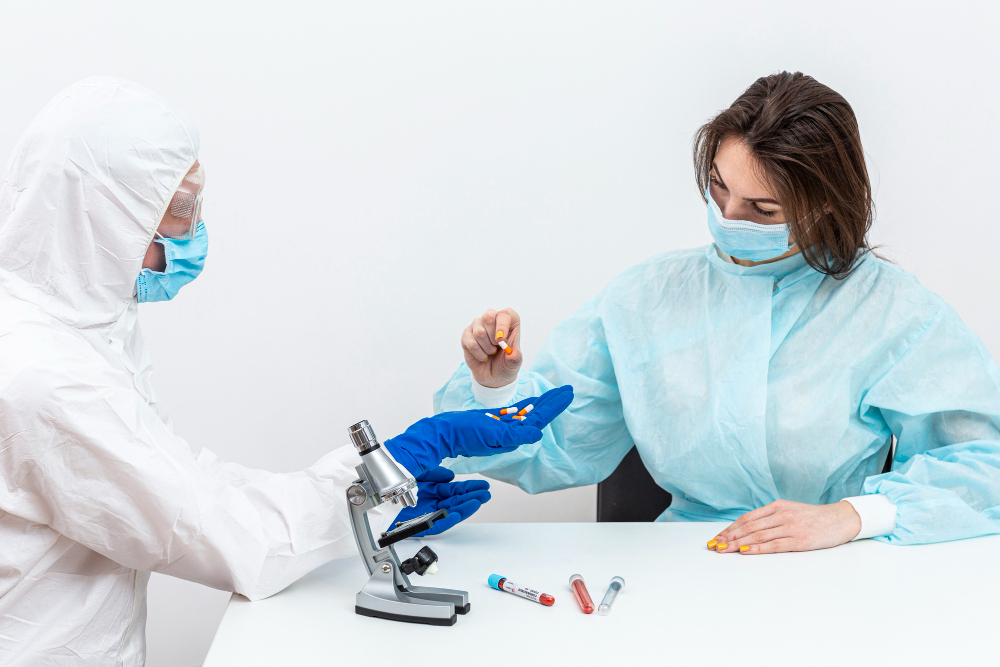
What is Phenylketonuria?
Phenylketonuria, often called PKU, is a rare genetic disorder. People with PKU cannot break down an amino acid called phenylalanine. Because of this, phenylalanine can build up in the blood. Over time, high levels can harm the brain. However, early detection of PKU can help prevent serious health problems.
Why is the Test for Phenylketonuria Important?
The test for phenylketonuria is vital for newborns. Early PKU screening can catch the disorder before symptoms appear. As a result, babies can start treatment right away. This helps prevent brain damage and other complications. According to the CDC, early treatment leads to better outcomes for children with PKU.
Who Should Get Tested?
Most often, newborns are tested for PKU as part of routine screening. In many countries, this test is required by law. However, older children or adults who show symptoms may also need testing. You should consider testing if:
Even though PKU is rare, testing is important for early detection.
How is the Test for Phenylketonuria Performed?
The PKU newborn test is simple and quick. Usually, it is done within a few days after birth. Here is how the process works:
Sometimes, older children or adults may have blood drawn from a vein. Either way, the test is safe and causes little discomfort.
Understanding Test Results
After the test for phenylketonuria, results are usually ready within a week. If the test is normal, no further action is needed. However, if results show high phenylalanine, more tests may be needed. These confirm if your child truly has PKU. Early detection of PKU allows for quick treatment, which is very important.
Next Steps After Testing
If your child is diagnosed with PKU, do not worry. With early treatment, most children live healthy lives. Treatment usually includes:
Because PKU is lifelong, ongoing care is needed. However, support is available for families.
Prevention and Early Detection
Currently, there is no way to prevent PKU, as it is inherited. But, early detection through phenylketonuria screening is the best way to protect your child. In addition, genetic counseling can help families understand their risk. If you plan to have children and have a family history of PKU, talk to your doctor.
Frequently Asked Questions
For more information, you can visit the CDC or WHO websites. They offer trusted details about PKU and newborn screening.
Consult Dr. Praveen Kumar for personalized advice about phenylketonuria testing.