
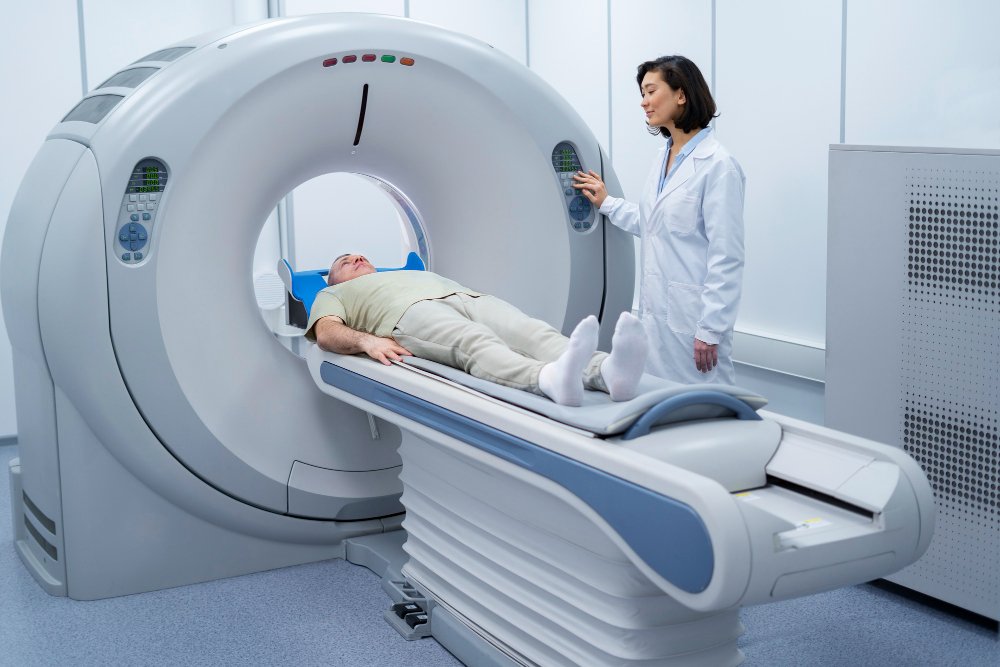
What is CT KUB?
CT KUB stands for Computed Tomography of the Kidneys, Ureters, and Bladder. It is a special type of X-ray scan. Doctors use it to take detailed pictures of your urinary tract. The urinary tract includes your kidneys, tubes called ureters, and your bladder. Because CT KUB gives clear images, it helps doctors find problems quickly. This scan is often called a “CT KUB scan” or “CT scan for kidney and bladder.”
Why is CT KUB Performed?
Doctors order a CT KUB for many reasons. Often, they want to check for kidney stones or other blockages. Sometimes, they need to look for infections or injuries. In some cases, a CT KUB helps find tumors or growths. Since the scan is fast and accurate, it is a common choice for urinary tract imaging.
Common Symptoms Leading to a CT KUB
Many people get a CT KUB when they have certain symptoms. For example, you might need this scan if you have:
Because these symptoms can signal serious problems, a CT KUB helps find the cause quickly.
How is a CT KUB Done? (Procedure & Preparation)
During a CT KUB scan, you will lie on a table. The table moves through a large, donut-shaped machine. This machine takes many X-ray pictures from different angles. Usually, the scan takes less than 10 minutes. In most cases, you do not need to drink or eat anything special before the scan. However, your doctor may give you specific instructions. Sometimes, you may need to change into a hospital gown. Because metal objects can affect the images, you should remove jewelry and belts.
What Can a CT KUB Detect? (Common Findings)
CT KUB scans can find many problems in the urinary tract. For instance, they can detect:
Because the scan is very detailed, it helps doctors plan the right treatment.
Risks and Safety of CT KUB
CT KUB scans use X-rays, so there is a small amount of radiation. However, the risk is low for most people. Doctors only order this scan when needed. Pregnant women should tell their doctor before the scan. In rare cases, some people may react to contrast dye if it is used. Most people do not have any problems. According to the CDC, CT scans are safe when used properly.
How to Prepare for a CT KUB Scan
Preparing for a CT KUB is simple. Usually, you can eat and drink as normal. However, your doctor may ask you to avoid certain foods or drinks. Sometimes, you may need to arrive early to fill out forms. If you take medicines, ask your doctor if you should take them before the scan. Always tell your doctor if you are pregnant or have allergies.
Interpreting Results: What to Expect
After your CT KUB scan, a radiologist will look at the images. They will write a report for your doctor. Your doctor will then explain the results to you. Sometimes, you may get the results the same day. Other times, it may take a few days. If the scan finds a problem, your doctor will discuss the next steps. Because the scan is detailed, it helps guide your treatment plan.
Prevention and Urinary Tract Health Tips
Keeping your urinary tract healthy is important. Here are some simple tips:
Because early care can prevent problems, regular check-ups are helpful.
In summary, a CT KUB scan is a safe and useful tool for checking urinary tract health. If you have symptoms or concerns, consult a radiologist or healthcare provider at Gokulam Clinic & Scans for personalized advice about CT KUB and urinary tract health.