What is an HIV Test?
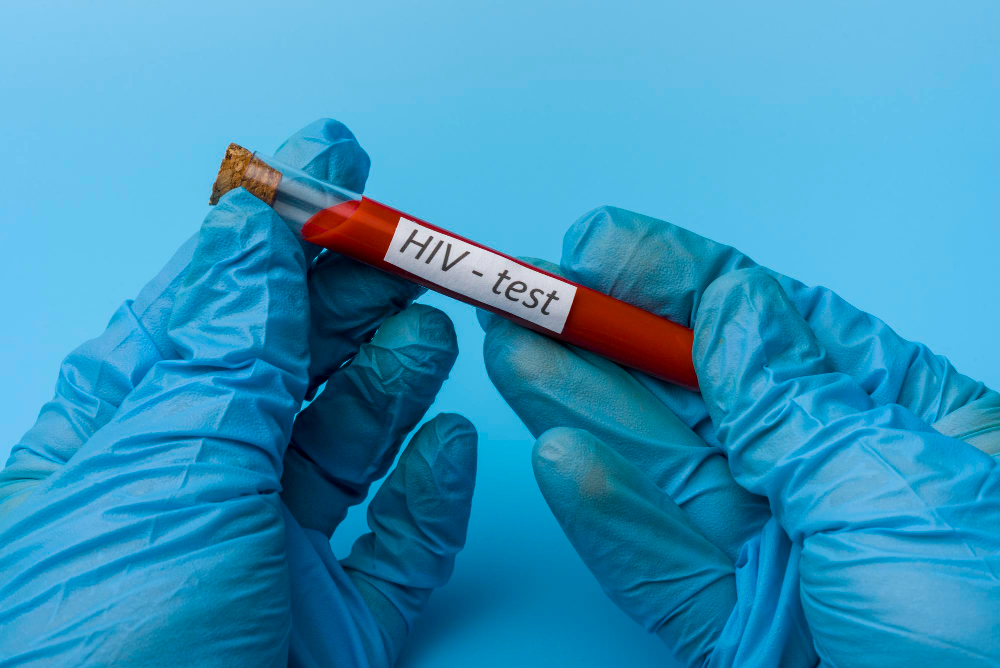
An HIV test checks if you have the human immunodeficiency virus (HIV) in your body. This virus attacks your immune system. Early detection of HIV is important for your health. The HIV test can help you know your status. Many people search for “HIV testing near me” to find local clinics. You can get tested at hospitals, clinics, or community centers. The test is safe, quick, and confidential.
Why is HIV Testing Important?
HIV testing is important for many reasons. First, it helps you protect your health. If you know your status, you can get treatment early. Early treatment helps you live a longer, healthier life. Also, knowing your status helps prevent the spread of HIV to others. Many people with HIV do not know they have it. Because of this, regular testing is key. The Centers for Disease Control and Prevention (CDC) and World Health Organization (WHO) recommend routine HIV testing for everyone.
Types of HIV Tests
There are several types of HIV tests. Each test works in a different way. Here are the main types:
Each test has a different window period. The window period is the time between infection and when the test can detect HIV. For most people, the window period is 2 to 6 weeks. However, some tests may take up to 3 months to show a positive result.
When Should You Get Tested?
Many people wonder when to get an HIV test. You should get tested if you:
Even if you feel healthy, it is wise to get tested. Some people do not have symptoms for years. Regular testing helps with early detection of HIV. In many cities, you can find “HIV testing near me” by searching online or asking your doctor.
How is the HIV Test Performed?
HIV testing is simple and quick. Most tests use a small blood sample or oral fluid. Here is what you can expect:
Confidential HIV testing is available at most clinics. Your results are private. In many places, you can get anonymous testing as well.
Understanding Your Results
After your HIV test, you will get one of three results:
It is normal to feel nervous about your results. However, early detection of HIV allows you to start treatment sooner. Treatment can help you stay healthy and lower the risk of passing HIV to others.
Myths and Facts About HIV Testing
There are many myths about HIV testing. Let’s clear up some common ones:
Frequently Asked Questions
Prevention and Next Steps
After your HIV test, you may wonder what to do next. If your result is negative, keep protecting yourself. Use condoms, avoid sharing needles, and get tested regularly. If your result is positive, do not panic. Many people with HIV live long, healthy lives with treatment. Your doctor will help you start care right away. Also, tell your partners so they can get tested too. In addition, you can find support groups and counseling in your area.
Consult a healthcare professional at Gokulam Clinic & Scans for personalised advice or to schedule an HIV test with confidence and care.